Every Chevy truck and SUV on the road depends on its suspension to handle weight, absorb bumps, and keep tires planted. Whether your goal is a Chevy C10 suspension upgrade or getting new parts for a late-model Silverado, the components you choose will decide how confident or sloppy your ride feels.
You have no shortage of options when it comes to sourcing Chevy suspension parts, from budget-friendly aftermarket components to direct OEM replacements. However, to get the most out of your Chevy C10 suspension drop, you need to know about fitment, parts, and installation.
This guide covers how the system works, what wears out, how to pick the right Chevy suspension parts for your C10 upgrade, and how to get them installed correctly.
How Chevy C10 Suspensions Work
The suspension system connects the chassis to the wheels. It absorbs road impacts, controls body motion, and keeps tires in contact with pavement.
Suspension Roles: Comfort, Control, Braking, Tire Wear
Springs support vehicle weight while shocks control how fast the springs compress and rebound. Together, they affect braking distance, cornering grip, and tire wear. Worn Chevy suspension parts allow excess movement, which shortens tire life and reduces stopping power.
Front vs Rear Layouts and Steering Interaction
Most Chevy trucks, including C10, use independent front suspension with upper and lower control arms. The rear typically uses a solid axle with leaf springs. Front geometry directly affects steering response. Any change to ride height, whether from a Chevy C10 drop kit or a lift, shifts alignment angles and steering feel.
Chevy Suspension Components and Their Jobs
Each part in the Chevy suspension system has a specific function. Knowing what each piece does helps with diagnosis and smart upgrades.
| Component | Function |
| Shocks / Struts | Control rebound and compression |
| Springs | Support vehicle weight and ride height |
| Control Arms | Maintain wheel alignment geometry |
| Ball Joints | Enable steering movement |
| Bushings | Reduce vibration and noise |
| Sway Bars | Reduce body roll in corners |
Shocks/Struts and Springs: Ride Height and Damping
Coil springs or leaf springs set ride height while shocks dampen oscillation. Weak shocks can cause bouncing. On the other hand, sagging springs lower the vehicle unevenly. Replacing both at the same time gives you the best results. For classic Chevy trucks, you can pair C10 lowering springs with matching shocks to deliver a clean stance and improved handling.
Control Arms, Ball Joints, and Bushings: Geometry and NVH
Chevy suspension parts typically include control arms, which position the wheels relative to the frame. While ball joints provide steering pivot, bushings isolate vibration and noise. In other words, worn ball joints create clunking sounds and cracked bushings let alignment shift under load. These parts wear gradually, so regular inspection matters.
Sway Bars and Steering Linkage: Roll Control and Steering Feel
Sway bars reduce body roll in turns. Thicker bars mean flatter cornering. Steering linkage, including tie rods and idler arms, translates steering wheel input to the front wheels. Loose linkage creates wandering at highway speeds.
Chevy Platform Differences That Affect Suspension Parts
Not all Chevy platforms share the same layout. Fitment varies by generation, body style, and drivetrain. You need to keep this in mind when planning your upgrade and choosing a lowering kit.
Trucks and SUVs: Silverado/Tahoe/Colorado Fitment Considerations
The Silverado 1500 and Tahoe share the GMT T1XX platform, but spring rates and shock lengths differ based on trim and payload rating. The Colorado uses a smaller mid-size platform with different bolt patterns. In short, a C10 front suspension kit designed for a 1967 model will not fit a 1972 without checking subframe and spindle specs.
Performance and Daily-Driver Cars: Camaro/Corvette vs Malibu/Equinox
The Camaro and Corvette use performance-tuned struts and multi-link rear setups, while the Malibu and Equinox use softer, comfort-oriented strut assemblies. Parts are not cross-compatible between these platforms.
Choosing Parts for Your C10 by Driving Use-Case
The right parts depend on how you intend to use your truck. While some of you use your Chevy C10 for carrying loads, others will use it to go to work and pick up their kids from school.
Stock Comfort vs Towing/Hauling Load Support
Stock springs handle your vehicle's curb weight. Adding a camper shell, toolbox, or trailer tongue weight overloads them. Heavy-duty springs or air helper bags restore proper ride height under load.
Off-Road Durability vs Performance Handling Priorities
Off-road builds need longer-travel shocks and skid plates. Street performance builds benefit from stiffer springs, upgraded sway bars, and polyurethane bushings. Remember, the best C10 lowering kit for a show truck will be different from what a weekend canyon driver needs.
Symptoms and Diagnosis for Suspension Wear
Catching worn parts early prevents bigger problems. When you are planning your upgrade, make sure to run a thorough check of your Chevy C10 suspension parts. You should watch out for the following signs.
Noises, Looseness, and Uneven Tire Wear Patterns
Clunks over bumps point to worn ball joints or end links. Inner-edge tire wear signals negative camber from sagging springs. Cupping on tire treads indicates failed shocks.
Bounce, Nose Dive, Leaks, and Torn Boots: What's Urgent
If your vehicle bounces more than once after a bump, it needs new shocks. Nose dive under braking means front struts are weak, while oil leaking from a shock body means immediate replacement. At the same time, torn CV boots allow dirt into joints, causing rapid failure.
OEM vs Aftermarket Chevy Suspension Parts
Choosing between OEM and aftermarket parts involves trade-offs in cost, fit, and performance. We recommend thinking about your total cost of ownership and long-term maintenance.
Fitment, Ride Quality, Warranty, and Longevity Trade-Offs
OEM parts are engineered for a specific make, model, and year, with exact fitment guaranteed down to bolt patterns, mounting points, and dimensional tolerances. However, OEM parts carry a price premium over aftermarket alternatives.
Meanwhile, aftermarket options typically cost less than OEM counterparts. For aftermarket selections, look for certifications such as CAPA or ISO manufacturing standards to verify quality. We offer precision-fit Chevy C10 suspension parts that match or exceed factory specs.
Fitment Checks to Avoid Wrong Suspension Parts
Ordering the wrong Chevy suspension parts wastes your time and money. Here are a few checks to prevent that.
VIN/RPO Codes, Trim, Drivetrain, and Production Splits
The VIN identifies the exact build. RPO codes on the glovebox sticker list factory options, including suspension packages. Mid-year production changes can alter part numbers within the same model year. Always cross-reference before ordering any Chevy suspension parts.
2WD vs 4WD and Lifted/Lowered Geometry Impacts
A 2WD Silverado uses different control arms and spindles than the 4WD version. C10 lowering spindles designed for 2WD trucks will not clear 4WD front axle components. Lifted or lowered trucks also need geometry-corrected parts to maintain proper alignment angles.
Wheel/Tire Size, Offset, and Clearance Constraints
Larger wheels and lower-profile tires reduce suspension travel. Aggressive wheel offsets push tires closer to fenders. Both factors affect which springs, shocks, and bump stops will fit without rubbing.
Common Chevy C10 Suspension Upgrades
Typically, Chevy C10 suspension upgrades fall into three main categories, including lifting, load support, and lowering.
Leveling and Lift Kits: Types, Alignment, and Corrected Arms
Leveling kits raise the front to match the rear. Full lift kits raise both ends. Both require alignment. Lifts over two inches benefit from corrected upper control arms to restore factory ball joint angles.
Load-Leveling for Towing: Air Helpers and HD Components
Air helper bags bolt inside existing coil springs or mount to leaf spring axles. They add adjustable load support for towing. HD leaf packs and add-a-leaf kits offer a permanent solution for trucks that haul heavy loads daily.
Lowering and Handling: Springs/Coilovers, Sway Bars, Bushings
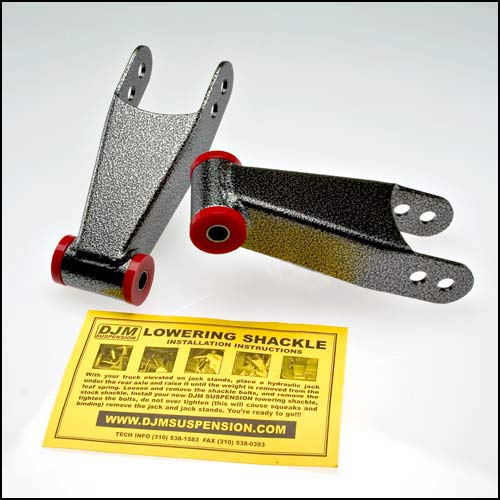
A Chevy C10 lowering kit typically includes drop spindles, lowered coil springs, and a rear flip kit or lowering shackles. Coilovers offer adjustable ride height. Upgraded sway bars and polyurethane bushings sharpen handling. DJM Suspension has built Chevy C10 drop kits for classic trucks since the 1970s, covering a wide range of drop heights.
Installation, Alignment, and Post-Install Checks
Proper installation protects your investment in new parts. So, once you are finished installing your Chevy C10 lowering kit, run a thorough check to make sure everything works as intended.
DIY vs Shop: Tools, Safety, Torque Specs, Labor Expectations
Spring compressors, ball joint presses, and a torque wrench are the minimum for DIY work. Always use jack stands. Follow manufacturer torque specs exactly. A full front-end rebuild on a C10 takes 6–10 hours in a home garage.
Alignment, Calibration/ADAS, Test Drive, and Re-Torque Intervals
Every suspension change requires a four-wheel alignment. Newer Chevys with ADAS (lane-keep assist, adaptive cruise) may need camera recalibration after ride height changes. Re-torque all fasteners after 100 miles of driving.
Budgeting, Maintenance, and Troubleshooting After Repairs
Smart budgeting and follow-up care prevent surprises. Knowing what to expect in terms of cost, parts quality, and post-install behavior helps you plan your project with confidence.
Cost Drivers: Parts Tiers, Labor Variables, Rust and Press Work
Used OEM suspension components cost less than their OEM counterparts. Rust-belt trucks add labor hours for seized bolts and corroded hardware, while press-in ball joints and bushings require shop tools, adding to labor costs.
Maintenance and "New Problems" After Install: Clunks, Vibration, Ride Height
New parts sometimes reveal worn-out adjacent components. For instance, a new control arm may expose a bad tie rod end. Likewise, clunks usually trace to loose hardware or missing torque after installation. Check ride height at all four corners and compare to your specs. Address any vibration before putting miles on new parts.
Start Your Chevy C10 Suspension Upgrade the Right Way
The right Chevy suspension parts match the vehicle, the driving style, and the budget. Whether the project is a full Chevy C10 suspension upgrade with C10 lowering springs and spindles or a simple shock replacement on a daily-driven Silverado, proper fitment and quality components matter most. Verify VIN and RPO codes, choose parts rated for the intended use, and follow up with alignment and re-torque. Taking these steps leads to a safer, better-handling truck that performs the way it should.
Browse our full selection of suspension parts to find the exact components your upgrade requires. Reach out to our experts if you need more information or help with your upgrade.
Frequently Asked Questions
What is the difference between OEM and aftermarket Chevy suspension parts?
OEM stands for Original Equipment Manufacturer, meaning the part comes from the same source that supplied the vehicle at the factory. Aftermarket parts are produced by independent third-party companies and are generally offered at a lower price point. Both can be reliable choices depending on the brand, application, and quality tier you select.
How do C10 lowering spindles differ from drop springs?
C10 lowering spindles relocate the wheel hub mounting point to lower the front end without reducing suspension travel. C10 lowering springs are shorter coils that reduce ride height but also limit the amount of available suspension travel, which can affect ride quality on rougher roads.
How long does it take to install a Chevy C10 lowering kit?
A complete Chevy C10 lowering kit install, including front spindles and a rear flip kit, typically takes 8–12 hours in a home garage. A professional shop equipped with a lift and air tools can generally complete the job in 4–6 hours.
Do suspension upgrades void the factory warranty?
On newer Chevys still under warranty, aftermarket suspension parts can void coverage for related components. However, the Magnuson-Moss Warranty Act requires the dealer to prove that the aftermarket part directly caused the failure. For classic trucks like the C10, which are well past any factory warranty period, this is not a concern.
What is the best C10 lowering kit for a street-driven truck?
The best C10 lowering kit for your truck depends on your desired drop and intended driving style. A 2/4 or 3/5 drop configuration using quality spindles, springs, and a flip kit from a reputable brand delivers a balanced stance with solid ride quality for everyday street use.
Products Featured in This Blog