A classic truck revival starts with a simple question: how to get an old truck running?
In this case, the subject is a 1979 Ford F-150 that sat untouched for a full decade. The goal was straightforward: free the brakes, wake up the engine, and try to drive it home. The truck was never meant for a full frame-off rebuild.
It was a parts truck for a bigger project, and the drivetrain inside made it worth the effort. The truck had a 300 inline-six-cylinder engine, a 4-speed manual transmission, and a Ford 9-inch rear axle. For anyone planning a 1979 Ford truck restoration or a budget parts-truck build, that combination gives you a strong reason to save what you can.
Why This 1979 Ford F-150 Was Worth Saving
Not every old truck deserves a second chance. This one earned it because of three key parts hiding under the body.
The 300 Inline-Six Engine
The Ford 300 inline-six is a legend in the truck world. It runs forever with basic care. Its simple design means fewer parts to fail. This engine is a reliable starting point for a 1979 Ford truck restoration, especially for keeping your costs down.
It also fits a true classic truck revival. You are dealing with fuel, spark, air, fluids, and basic mechanical movement. That is the kind of project many truck owners can understand and tackle with patience.
The 4-Speed Manual Transmission
A manual gearbox gives direct control over power delivery. It also has fewer failure points than an automatic. For a 1979 Ford truck restoration, a working 4-speed saves hundreds of dollars.
The Ford 9-Inch Rear Axle
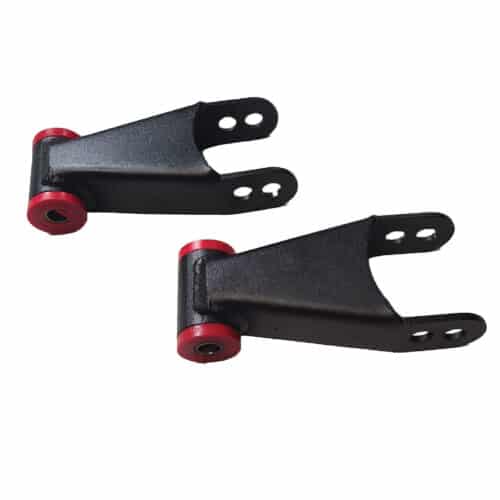
The Ford 9-inch rear axle is one of the strongest factory axles ever made. It handles high torque and is easy to rebuild. Custom vehicle builders prize it for both street and off-road setups. The rear axle also affects stance, ride height, and rear suspension setup. If you plan to lower an older Ford truck, the axle, leaf springs, shackles, shocks, and brake lines all deserve a close look.
Day One: Checking If the Truck Can Roll
An old truck cannot help you if it cannot roll. The first real job in this classic truck revival was freeing the wheels and checking the brakes.
Why Locked Wheels Are Common on Old Trucks
When a truck sits for years, moisture can rust brake parts. Rear drum brake shoes can stick to the drums, and front disc brake pads can freeze against the rotors or hardware. In other words, repair the brakes of your Ford 150 first. A running engine means little if the wheels will not turn or the brakes will not stop the truck.
Lifting the Truck Safely
Use wheel chocks, jack stands, and stable support under the truck. A floor jack can lift the truck, but jack stands should hold it while you work. Never work under a truck supported only by a jack. Good communication also matters when more than one person works around the truck. Everyone should know when the truck is being lifted, lowered, or moved.
Freeing the Rear Drum Brakes
The rear drums were stuck from sitting. A few careful hammer taps helped break the rust bond between the brake shoes and drums. Be patient, as forcing it risks cracking the drum. You do not want to destroy good parts, but you also need enough force to free them.
Working Through the Front Disc Brakes
During this Ford F150 brake repair, the front brakes added their own challenge. The pads and caliper hardware had to be worked loose before the wheels could move freely. This step shows why old truck work rewards patience. Rust, stuck parts, and unfamiliar hardware can slow your job, but steady work keeps the project moving.
Preparing the Engine Before Cranking It
how to get an old truck running? Not by turning on an engine that has been idle for a decade, as it can cause serious damage. You start by checking whether the engine can turn.
Removing the Spark Plugs
Pulling the plugs removes compression resistance. This lets the engine turn freely and reveals the condition of each cylinder.
Adding ATF to the Cylinders
A small amount of automatic transmission fluid can help loosen rings and cylinder walls that have sat for years. You do not need much. Let it soak overnight for best results. This old-school method can help during a classic truck revival, but use care. Too much fluid can create other problems when the engine turns.
Checking Basic Fluids
Check engine oil, coolant, power steering fluid, and brake fluid levels before turning on the ignition. Old oil can be thick, dirty, or low, and old coolant may leave you with leaks or overheating. For a Ford F150 restoration, fluid checks tell you a lot about the truck’s condition. Dark oil, low coolant, or dry reservoirs can point you to the next repair.
Day Two: Checking If the Engine Will Turn
The second day of any classic truck revival focuses on whether the engine will turn.
Confirming the Motor Was Free
After the ATF soak, the engine turned by hand with a breaker bar on the crank bolt. The accessories spun without grinding. That was a green light.
Checking the Air Box
Rodents love old trucks. The air box was packed with acorns and debris. Always inspect the intake path before cranking.
Changing the Oil
The old oil was dark and thick. Fresh oil protects bearings and rings during that critical first startup.
Setting Up a Safe Fuel Supply
Old gas is one of the biggest threats to a successful revival. It can turn dark, smell sour, clog filters, and leave the engine starving for fuel.
Using a Temporary Fuel Tank
You can use a temporary fuel tank to feed the carburetor while leaving the old fuel in the main tank. This helps you test the engine without pulling dirty fuel through the whole system.
Giving the Engine Its First Start Attempt
With fresh oil, coolant, power steering fluid, and clean fuel in place, the engine fired on the first try. That moment is what makes your classic truck revival worth the effort.
Day Three: Making the Truck Road-Ready
Starting the engine is only half the job. Driving it safely requires more prep.
Installing a Fresh Battery
A strong battery delivers consistent voltage to the ignition system. The old battery was dead beyond recovery. We installed a fresh battery.
Replacing the Rear Brake Line
Brake work comes before any drive, even if the first drive is only a short test. The rear axle brake line was corroded through. The rear brake line was replaced before the road test. Old steel lines can rust, split, or fail under pressure. Remember, if one brake line fails, others may be close behind, so inspect the whole system before trusting the pedal.
Bleeding the Brakes
Bleeding the brakes removes air from the hydraulic system and helps build pedal pressure. The brake fluid may look dark if it has been sitting for years. A firm pedal gives you more control, but old brakes may still feel different from a modern truck. Test carefully and keep your first drive slow.
Removing Old Fuel From the Tank
The old gas had to come out before the truck could make a real road attempt. Fresh fuel gives the engine a better chance to run cleanly. So, the old fuel was pumped out and replaced with fresh gasoline.
Dealing With the Locked Gas Cap
The locking gas cap was seized. A pair of channel locks and penetrating oil solved the problem after several minutes of effort.
The Test Drive: What Went Right and What Failed
The engine ran smoothly at idle, the transmission shifted cleanly, and the brakes held. The truck started, moved, and made it onto the road. For a few minutes, the Ford F150 restoration looked like a complete success. Then things got complicated.
Enter The Fuel Delivery Problem
The truck kept dying under load. It would restart, run briefly, then stall again. The pattern pointed clearly to a fuel delivery issue, not an ignition problem or a sensor fault. When an engine can't sustain combustion under demand, the fuel system is almost always the first place to look.
Why the Truck Had to Be Towed
Safety and daylight made the call. With the engine stalling unpredictably and the light fading fast, pushing the truck any further wasn't a risk worth taking. The decision was simple: get it on a flatbed and deal with the diagnosis somewhere safer.
The Real Cause: A Plugged Inline Fuel Filter
During this classic truck revival, the stalling problem had a simple root cause, but it took time to track down because the symptoms overlapped with several other common engine issues.
Why the Problem Was Hard to Spot
At first, spark seemed like the most likely culprit because the engine would restart and run for a short time before dying again. That kind of intermittent failure often points to ignition trouble, which made the fuel system easier to overlook.
How the Team Found the Fuel Issue
After confirming the ignition system was working properly, attention shifted to fuel delivery. The mechanical fuel pump tested fine, which narrowed the problem down to the inline fuel filter between the pump and carburetor. That filter was completely clogged with old fuel residue.
The Simple Fix
Once the plugged filter was removed and replaced, fuel flow returned to normal immediately. With a steady supply of fuel restored, the engine ran strong again, and the stalling problem disappeared.
Lessons From Getting an Old Truck Running Again
Every classic truck revival teaches something. Projects like this reveal how preparation, patience, and careful diagnosis make the difference.
Bring More Tools Than You Think You Need
Old Ford F150 restorations almost always fight back in ways you do not expect. Bringing extra tools, fluids, safety gear, and backup equipment saves time and keeps a small problem from turning into a major delay.
Start With Safety Before Speed
Before trying to move or test-drive anything, make sure the truck can stop, steer, and sit securely while being worked on. Rushing past basic safety checks can turn a simple repair into a dangerous situation.
Check Fuel, Spark, Air and Fluids
Following a basic diagnostic order helps prevent wasted time and bad assumptions. On an older carbureted truck, checking fuel delivery, ignition, airflow, and fluid condition will often lead you straight to the problem.
Expect One Small Part to Stop the Whole Job
A 1979 Ford truck restoration can be stopped by something as minor as a clogged filter, weak connection, or cracked hose. Small, inexpensive parts are often the reason a vehicle will not run properly, so they should never be overlooked.
What Happens Next for the 1979 Ford F-150
The truck did what it needed to do, and that made the next step clear. Useful components like the transmission, Ford 9-inch rear axle, and other selected drivetrain parts will be pulled and saved for a cleaner, more practical classic truck revival. That had been part of the plan from the beginning.
At the same time, the condition of the body made a full 1979 Ford truck restoration hard to justify. Severe rust and body rot pushed this truck past the point where rebuilding it made sense, so parting it out became the smarter move.
Whether you want to lower your truck or revive it, sometimes the best project starts with good donor parts and an honest assessment of what is worth saving.
Bottom Line: Old Trucks Reward Smart First Steps
The 1979 Ford F-150 did not make it home under its own power, but the revival was still a success. We got the truck rolling again by freeing the brakes, waking up the engine, and tracking down a fuel delivery problem that could have easily been missed.
More importantly, this 1979 Ford truck restoration proved that old trucks often respond well to patience, safe preparation, and a simple step-by-step diagnosis.
Classic truck revivals rarely go perfectly, but that does not mean they are not worth doing. If you are planning your own revival, DJM Suspension can help you build the next phase with confidence. From quality suspension components to fitment support for various truck projects, we help enthusiasts turn rough starts into finished builds.
Explore the latest parts now or reach out to get expert help with your project.
Products Featured in This Blog