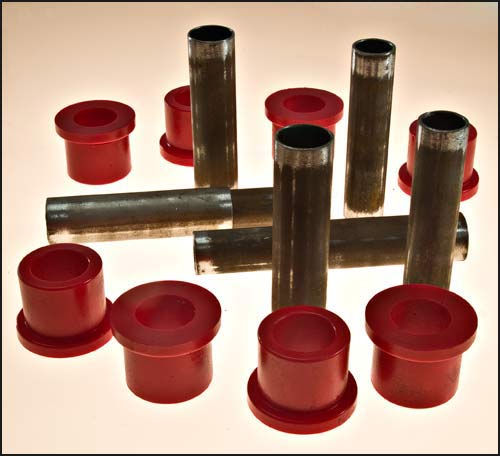
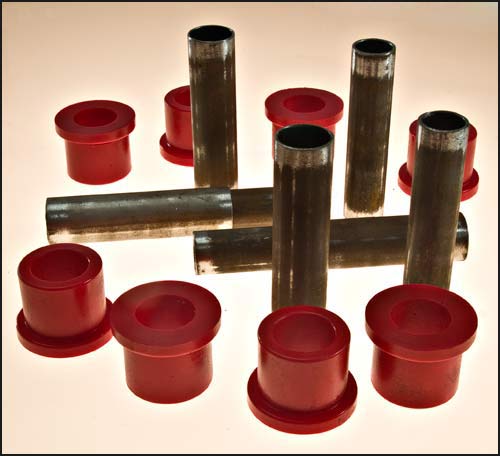
Control arm bushings connect the control arm to the vehicle's frame and help absorb vibration while allowing controlled suspension movement. They are available in different materials, including rubber and polyurethane.
As bushings wear, you may notice symptoms such as clunking or knocking noises, changes in steering feel, uneven tire wear, or alignment issues.
This guide explains what control arm bushings do, the common signs of wear, what can cause them to wear out, and when replacement may be needed. It also covers the difference between replacing the bushings and replacing the complete control arm.
How Control Arm Bushings Function in Your Suspension
The control arm connects the suspension to the vehicle's frame and allows controlled movement as the suspension travels. It allows the wheel to move up and down as the suspension travels while helping maintain the intended position of the suspension components. The control arm bushing allows the arm to move while isolating vibration between the control arm and the frame.
Each bushing works like a cushion between the control arm and the frame. It absorbs vibration and allows controlled movement as the suspension travels. Both lower and upper control arm bushings perform this function at different points in the suspension.
Control arm bushings also help keep the control arm in its intended position. When a bushing becomes worn or damaged, excess movement can affect suspension alignment and contribute to uneven tire wear or changes in handling.
Early Warning Signs That Bushings Are Wearing Out
Worn control arm bushings can affect suspension movement, steering feel, alignment, and tire wear. However, these symptoms can also be caused by other suspension components. Control arm bushing noise can be one of the first signs of wear.
Clunking or knocking from the suspension can be a sign of worn control arm bushings, particularly when driving over bumps or during suspension movement. However, other suspension components can produce similar noises, so an inspection is recommended.
Changes in steering feel can also indicate a suspension issue. If the vehicle begins to wander, shimmy, or feel less stable, have the suspension inspected. Worn control arm bushings can be one possible cause.
Uneven tire wear can indicate an alignment or suspension problem, including possible control arm bushing wear. If alignment cannot be maintained after a recent service, the suspension should be inspected for worn or damaged components.
What Causes Control Arm Bushings to Fail
Wear is unavoidable, but several factors decide how fast it happens. Knowing them helps you get the most service life from control arm bushings.
Age and mileage are the usual suspects. Control arm bushing lifespan comes down to how you drive, set up your vehicle, and what it's exposed to on the road. Lowered trucks tend to wear out faster, since the changed suspension geometry shifts how loads move through the joint.
Then there's the weather, which matters more than most people think. Road salt, standing water, and constant UV exposure all chip away at rubber and polyurethane over time. If you live somewhere that dumps salt on the roads all winter, you'll probably be swapping control arm bushings sooner than someone in a dry climate.
The way you drive adds to it, too. Hard cornering, slamming through potholes, and beating down rough roads all put serious stress on the bushings and wear them out quicker. If your truck hauls or tows regularly, that extra weight running through the suspension only speeds wear along.
Deciding Between Bushing Replacement and Full Control Arm Swap
Once you've confirmed the wear, you've basically got two ways to go. Which one's right for you depends on your budget and how long you plan to keep the truck.
Going the bushing-only route means you hang onto your existing control arm and spend less up front. The trade-off? Labor. Pressing the old bushings out and the new ones in takes special tools and a fair bit of time. Also, this path works best when the control arm is newer and still in good shape.
Swapping in a complete control arm costs more at the start, but it replaces both the arm and its bushings at the same time. Bushing-only replacement can be a practical option when the existing control arm is still in good condition.
Replacement bushings are available for specific vehicle applications. For example, DJM offers a Dodge Ram 1500 replacement lowering bushings for 2002–2005 Dodge Ram models and a Chevy/GMC Silverado/Sierra replacement lower bushing kit for 1999-2006 applications. Always confirm vehicle and control-arm fitment before ordering.
Fitment and bushing material also vary between applications. Aftermarket options, including lowering control arms, may use different geometry and bushing materials designed for specific suspension setups.
| Factor | Bushing-Only Replacement | Full Control Arm Swap |
| Upfront cost | Generally lower | Generally higher |
| Labor complexity | May require bushing removal and installation | Often simpler if the arm is bolt-on |
| Special tools | May be required | Depends on the application |
| Best for | Control arms that are still in good condition | Arms with additional wear or damage |
| What gets replaced | Bushings | Control arm and bushings |
Decision Guide: Newer arm in good shape? Bushing-only saves you money. Older or corroded arm? A full swap skips the pressing labor and removes the risk of hidden wear.
How a Mechanic Diagnoses Worn Control Arm Bushings
A professional inspection can help identify whether worn bushings are contributing to a suspension issue. When you know what's actually happening during the diagnosis, it's a lot easier to understand the recommendation you get afterward.
The process usually starts with a visual check under the vehicle with the wheel removed. The technician may look for cracks, tears, separation, deterioration, or other visible damage. These findings can indicate that the bushings need further inspection or replacement.
Next comes the pry bar test. The mechanic applies vertical and lateral pressure to the control arm and watches for excess movement or play in the bushing. A healthy bushing barely moves; a worn one shifts noticeably.
An alignment check seals the deal. Worn bushings usually reveal themselves through alignment specs that drift within weeks of a previous service. Therefore, if the shop aligned your truck recently and the numbers have already slipped, the bushings are a prime suspect.
Good to Know: Alignment that drifts within weeks of a service is a dead giveaway. If your numbers already slipped after a recent alignment, worn bushings are the prime suspect.
When Should You Replace Control Arm Bushings?
Control arm bushings should be inspected when you notice symptoms such as unusual suspension noise, excessive movement, changes in steering feel, or uneven tire wear. If the bushings are damaged or excessively worn, replacement may help restore the intended movement and positioning of the control arm.
Whether you replace the bushings alone or the complete control arm depends on the condition of the existing arm, the vehicle application, and the available replacement parts.
The bottom line is that whether you go bushing-only or swap the whole arm, use replacement parts that match the vehicle and suspension application, and have the work performed according to the appropriate installation requirements. That's especially true for modified or lowered trucks, where the geometry and how well the bushings hold up decide how the whole system performs.
If you're ready to upgrade or replace worn parts, DJM Suspension has a solid lineup of quality lowering control arms, replacement bushing kits, and several other suspension products. We've been leading the suspension industry since the 1970s.
Shop our collection of products or contact our team if you need expert guidance for your next lowering project.
Frequently Asked Questions about Control Arm Bushings
Can I drive with bad control arm bushings?
It depends on the condition of the bushings and the amount of movement or damage present. Because worn bushings can affect suspension movement, alignment, and handling, have the vehicle inspected rather than continuing to drive with a known suspension issue.
How long do control arm bushings typically last?
There is no fixed replacement interval for control arm bushings. Service life depends on the vehicle, bushing material, driving conditions, suspension setup, and exposure to road conditions. Regular suspension inspections can help identify wear before it causes additional problems.
What does control arm bushing replacement cost?
Cost varies by vehicle, parts choice, and repair path. OEM and aftermarket parts come in at different price points, and replacing just the bushings versus the whole control arm changes the total. Labor plays a big role too, since pressing bushings eats up more time than a simple bolt-on arm swap.
How do I know if I should replace just the bushings or the whole control arm?
A visual inspection and a mechanic's diagnosis will show you the true condition of the arm. Bushing-only replacement works great for newer arms that are still in good shape. However, if the arms show additional wear, corrosion, or damage beyond bushings, a full-arm replacement is the safer way to go.
What are the symptoms of bad control arm bushings?
Common signs can include clunking or knocking noises, excessive suspension movement, changes in steering feel, alignment problems, and uneven tire wear. These symptoms can also be caused by other suspension components, so a proper inspection is recommended.
Featured Products: