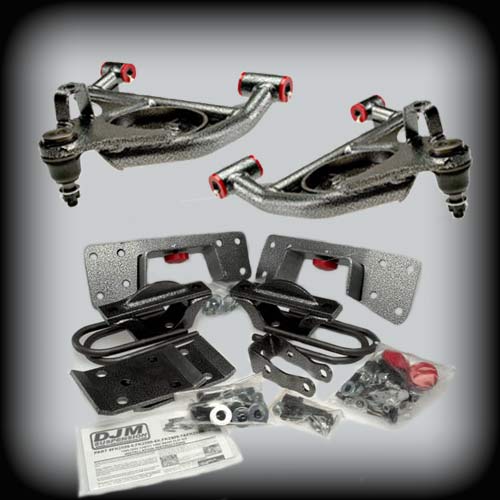
Lowering a 2006 Chevy Silverado single cab starts with choosing the right drop height and suspension components for the way you use your truck. Whether you're considering a mild drop for street driving or a deeper 4/6 setup, the right combination of front and rear components is important for fitment, clearance, and suspension performance.
This guide covers common lowering options for the 2006 Silverado single cab, including front suspension components, rear lowering methods, shocks, and complete lowering kits. It also explains the differences between common drop configurations so you can better understand which setup fits your truck and goals.
Pro Tip: Start with your drop height. Before you look at spindles, springs, or shocks, decide how low you actually want to go. Locking in your drop height first, whether it's a mild 2/4 or an aggressive 4/6, makes every part choice after it far easier.
Before Choosing a 2006 Silverado Lowering Kit
Before choosing a lowering kit, confirm your truck's drivetrain and configuration. A 2WD and 4WD Silverado can require different suspension components and lowering setups. Also consider your desired front and rear drop, wheel and tire setup, and how you plan to use the truck.
Once these details are confirmed, you can choose the appropriate lowering components for your 2006 Silverado single cab.
What Are the Common 2006 Silverado Single Cab Lowering Drops
Drop heights use a simple notation like 4/6, which means 4 inches in front and 6 inches in the rear. Front and rear drops usually differ because trucks sit higher in the back from the factory. Typically, a larger rear drop levels the stance and gives that even, planted look most owners want.
Drop configurations affect more than appearance. A deeper drop can require additional attention to suspension components, clearance, shocks, and alignment. Your intended use and the specific suspension setup should be considered when choosing a drop height.
The most popular 2006 Silverado single cab lowering configurations include 2/4, 3/5, and 4/6 setups. Choosing between them comes down to how you use your truck, how much travel you want, and whether your truck runs hard on daily roads or is used only for cruising.
| Drop Configuration | Best For | Installation Complexity |
| 2/4 | Mild street-oriented drop | Lower |
| 3/5 | Moderate stance | Moderate |
| 4/6 | Deeper lowering setup | Higher |
Front Suspension Upgrades: Control Arms, Spindles, and Coil Springs
The front end does most of the visible work when you want your 2006 Chevy Silverado single cab dropped. Two main methods lower the front, including drop spindles and lowering control arms. Drop spindles relocate the wheel mounting point upward, lowering the truck while keeping much of the factory geometry. Lowering control arms replace the stock arms and reposition the spindle for a cleaner drop.
Depending on the component and application, lowering parts can include control arms, drop spindles, or coil springs. DJM's 1999–2006 Silverado/Sierra lowering control arms are available for different front drop heights and can include new ball joints and bushings. Always confirm the specific part's fitment before ordering.
Coil spring compression or replacement sets the final ride height. Correct spring rates keep your truck from bottoming out and hold the target stance.
Alignment after a Front Drop
Lowering the front changes camber and caster angles. A post-installation alignment helps ensure the suspension angles are within the appropriate specifications and can help prevent uneven tire wear and handling issues. Figure the alignment into your budget if you want your 2006 Chevy Silverado single cab dropped correctly.
Rear Suspension Options: Leaf Spring Kits, Blocks, and Axle Flips
The rear of a 2006 Silverado can be lowered using several methods, including leaf spring kits, lowering blocks, and axle flip kits. The appropriate option depends on the desired drop height, suspension setup, and amount of modification required.
Leaf Spring Kits
Lowering leaf spring kits use a modified spring setup to reduce rear ride height. They can be an option when you want a moderate rear drop without using an axle flip. The exact drop and installation requirements depend on the specific kit and vehicle configuration.
Lowering Blocks
Lowering blocks provide a simple way to reduce rear ride height on applications where they are appropriate. They are generally suited to more moderate rear drops. Check the specific block kit's fitment and installation requirements before choosing this option.
Axle Flip Kits
An axle flip, or flip kit, relocates the axle above the leaf spring for an aggressive drop, usually 5 to 7 inches. Because this changes the driveshaft and pinion angle, many kits include built-in correction to reduce the need for extra shims. This setup gives you the biggest drop, but it takes more work and may require a C-notch for axle clearance.
Quick Note: Deeper rear drops can require additional frame clearance and driveline considerations. Check the installation requirements for the specific axle flip kit before beginning the installation.
Here's a quick comparison table:
| Option | Typical Use | Installation Difficulty |
| Lowering Blocks | Moderate rear drop | Simpler |
| Leaf Spring Kits | Moderate rear lowering | Moderate |
| Axle Flip Kits | Deeper rear drop | More involved |
Shocks and Ride Quality: Why Suspension Components Matter After Lowering
Stock shocks are valved and sized for factory ride height. Once your truck sits lower, the shock operates outside its designed range, which shortens travel and hurts damping. That is why performance or heavy-duty shocks are a common part of any 2006 Silverado single cab 4/6 drop kit.
Shock sizing and mounting style depend on your final ride height. Some kits use looped shocks, others use stem-style mounts. Matching the shock to the specific drop keeps travel correct and prevents bottoming out. Drop shocks designed for a lowered application are the safer choice over reusing stock units.
Ride quality after lowering depends on the combination of drop height, springs, shocks, tires, and other suspension components. Using components designed or recommended for the specific application can help ensure the suspension works as intended.
Complete Lowering Kits or Individual Components
Many truck owners who want their 2006 Chevy Silverado single cab dropped choose complete lowering kits with shocks. However, you can also piece together each component over time, provided you have the time, expertise, and budget.
Complete lowering kits can simplify the process by combining the major suspension components required for a specific drop and vehicle configuration. DJM offers different lowering setups for 1999-2006 Silverado/Sierra models, including 4/6 and 4WD-specific 3/5 applications. Always confirm your truck's drivetrain and configuration before ordering.
On the other hand, a modular approach makes sense when you want to upgrade your truck in stages, need a custom drop, or are mixing brands for a specific reason. It offers flexibility but requires more research and skills to confirm every part matches the others.
| Factor | Complete Kit | Individual Components |
| Component matching | Components selected for a specific application | Requires individual research |
| Installation planning | Major components are grouped together | Parts may need to be sourced separately |
| Flexibility | More limited | Higher |
| Customization | Depends on the kit | Higher |
Buyer's Tip: If you're new to lowering, a complete kit can simplify component selection by providing the major parts for a specified drop and vehicle configuration.
2WD vs. 4WD: What to Check Before Ordering
A 2006 Silverado's drivetrain affects which lowering components are appropriate. 2WD and 4WD models use different suspension configurations, so a lowering kit designed for one application may not fit another.
Before ordering a kit, confirm the truck's drivetrain, cab configuration, desired drop height, and the exact vehicle fitment listed by the manufacturer. DJM offers different lowering configurations for applicable 1999-2006 Silverado/Sierra applications.
Lower Your 2006 Silverado Using DJM Suspension Kits
Lowering a 2006 Chevy Silverado single cab starts with choosing the right drop height and confirming your truck's configuration. From there, you can choose between individual front and rear components or a complete lowering kit designed for your application.
DJM Suspension offers lowering components and complete kits for applicable 1999-2006 Silverado/Sierra models, including control arms, rear axle flip kits, lowering blocks, shocks, and complete lowering setups.
Before ordering, confirm your truck's drivetrain, cab configuration, desired drop, and product fitment to make sure you're selecting the right components for your build.
Frequently Asked Questions
What are common drop heights for a 2006 Silverado single cab?
Common configurations include 2/4, 3/5, and 4/6 drops. The appropriate setup depends on the truck's configuration, desired stance, suspension components, and intended use.
Will lowering a truck affect its towing or hauling capacity?
Lowering changes approach angles and available payload travel. A properly engineered kit keeps structural integrity and handling in check. Owners who tow or haul regularly should confirm specifics with the kit manufacturer before buying.
Can a lowering kit be installed at home, or is a professional needed?
Installation depends on the specific kit and the installer's experience and equipment. Some bolt-on components may be suitable for experienced DIY installers, while axle flips, C-notch work, and other major suspension modifications require appropriate tools, experience, and safety procedures.
Is alignment necessary after lowering?
Yes. Front suspension changes can affect alignment angles, so an alignment should be checked after installation. Rear lowering may also require additional driveline or clearance checks depending on the specific setup.
What is the difference between a 2WD and 4WD lowering kit for a 2006 Silverado?
2WD and 4WD models use different suspension configurations, so the appropriate lowering components can differ. Always select a kit specifically listed for your truck's drivetrain and configuration.
Products Featured in This Blog