What Are the Best Lowering Kits for GMC Sierra and Silverado Trucks?
The best lowering kits for Silverado and Sierra depend on your truck's model year, suspension configuration, and the stance you want to achieve. Whether you want a subtle drop for your daily drive or a more aggressive look for a custom build, choosing the right components makes a difference.
Lowering your GMC Sierra or Chevy Silverado can give your truck a cleaner profile and a stance that matches your personal style. However, different generations use different suspension components, so a kit that fits one truck may not fit another.
This guide explains the available lowering methods, compares drop heights, and helps you identify a setup that matches your truck and your goals.
What a Silverado Lowering Kit Includes
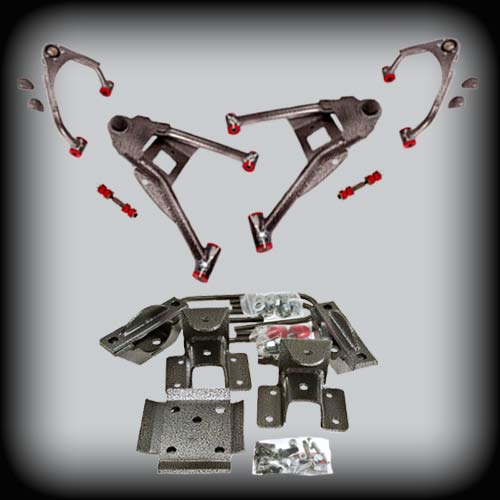
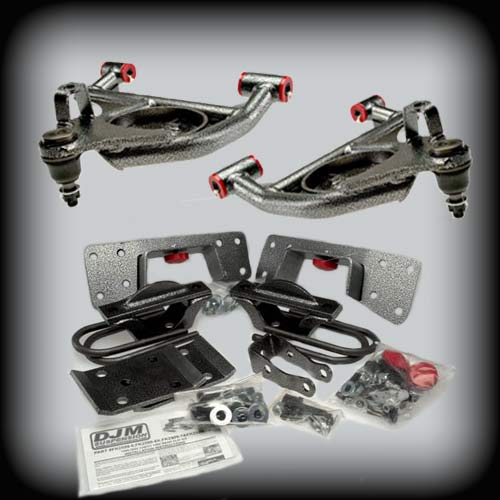
A Silverado lowering kit typically includes front and rear suspension components designed to achieve a specific drop height. The parts vary depending on your truck's model year, suspension configuration, and desired stance.
For example, the 2007–2015 Chevy Silverado 4-inch Front / 6-inch Rear Complete Lowering Kit (Cast Iron Steering Knuckles, Shocks Included) provides a 4-inch front drop and a 6-inch rear drop, with shocks included for the specified application.
Common components found in Silverado lowering kits include:
- Lowering Control Arms: Replace factory control arms to achieve a specified front drop on compatible trucks.
- Drop Spindles: Lower the front ride height by changing the wheel mounting position without requiring shorter springs.
- Lowering Coil Springs: Reduce front suspension height on compatible applications.
- Rear Flip Kits or Lowering Blocks: Change the relationship between the rear axle and leaf springs to achieve the desired rear drop.
- Shocks or Shock Extenders: Help accommodate the suspension's new operating range, depending on the kit design.
Why Matched Components Matter
A complete Chevy Silverado lowering kit brings together components selected for a specific truck and lowering combination. Purchasing individual parts without checking compatibility can cause uneven drop heights, clearance restrictions, or suspension geometry concerns. Choosing a matched kit simplifies component selection and helps you plan your installation with greater confidence.
Why Shocks Matter When Lowering Your Silverado
Lowering your truck changes its suspension travel and shock operating position. Factory shocks may not be suitable for every lowering setup. Some Silverado drop kits include compatible shocks or shock extenders, while others require separate purchases. Always review the product specifications to confirm what is included and whether additional components are needed.
Truck Lowering Blocks Versus Complete Kits
Truck lowering blocks and complete lowering kits serve different purposes. Your choice depends on whether you want to lower the rear alone or change your truck's overall stance.
How Truck Lowering Blocks Work
Lowering blocks change the relationship between the rear axle and leaf springs. On compatible spring-under-axle configurations, properly installed blocks can reduce rear ride height. However, lowering blocks are not suitable for every suspension layout. Their compatibility depends on how the rear axle and leaf springs are positioned.
When Rear Flip Kits Make Sense
Rear flip kits are generally used for larger rear drops. They reposition the axle from below the leaf springs to above them on compatible trucks. A flip kit may require additional components and clearance checks, depending on the application and drop height.
Why Consider a Complete Lowering Kit?
A rear-only drop changes the relationship between the front and rear ride heights. This can reduce the factory rake without lowering the front. A complete Silverado drop kit addresses both ends of the truck. It provides a defined front and rear lowering combination for owners seeking a more consistent overall stance. Your decision should start with your current ride height and the appearance you want.
Choosing the Right Sierra Drop Kit
Selecting a Sierra drop kit starts with understanding your truck's specifications. Two Sierra trucks from different generations may require completely different components. Before choosing a kit, consider these factors:
- Model Year and Generation: Identify the exact production year and suspension generation.
- Truck Model: Confirm whether the kit supports your Silverado or Sierra, including relevant trim and cab restrictions.
- Drivetrain: Check whether your truck has two-wheel drive or four-wheel drive.
- Desired Drop: Decide how many inches you want to lower the front and rear.
- Factory Suspension: Identify the original front and rear suspension configurations.
- Included Components: Review the parts supplied with the kit.
- Shock Compatibility: Determine whether your current shocks can work with the selected drop.
- Wheel and Tire Clearance: Check your wheel diameter, offset, tire size, and available clearance.
- Truck Usage: Consider daily driving, towing, hauling, or show use.
One detail buyers sometimes overlook is the difference between a kit's advertised drop and the truck's final appearance. Your factory stance, tire dimensions, and existing suspension condition can influence how the finished truck looks. Before purchasing a GMC Sierra lowering kit, review the manufacturer's manual and installation requirements.
Mild Versus Aggressive Lowering Setups
No single drop height is right for everyone. Owners who drive their trucks every day and want a subtle change often choose mild drops. Larger drops create a more dramatic look but bring added considerations, such as clearance, shock travel, and alignment.
You'll also choose between front-only setups and complete kits. A front-only setup may suit you if your rear is already where you want it. A complete kit lowers both ends together.
| Setup type | Typical components | Often chosen for | Things to check |
|---|---|---|---|
| Mild drop | Lowering springs, control arms, or rear components | Subtle stance changes and daily-driven trucks | Alignment and shock compatibility |
| Moderate drop | Front lowering components and rear hangers, shackles, or flip kits | More noticeable front and rear lowering | Tire clearance and suspension travel |
| Aggressive drop | Combined front components and larger rear lowering systems | Custom builds with a lower stance | Frame clearance, shocks, and installation requirements |
| Front-only drop | Control arms, spindles, or springs | Changing front ride height independently | Front suspension geometry and overall stance |
Why Generation Fitment Matters
Silverado and Sierra trucks have changed significantly across generations, with different frames, suspension geometry, and factory parts. That's why DJM Suspension's Silverado/Sierra suspension lowering kits are engineered for specific model-year ranges. In other words, a kit built for one generation won't carry over to another.
DJM Suspension's kits are named with two numbers. The first is how many inches the front drops, and the second is how many inches the rear drops. For example, the 1999–2006 Chevy Silverado/Sierra 4-inch Front / 6-inch Rear Lowering Kit is a 4/6 kit. It lowers the front 4 inches and the rear 6 inches. Likewise, a 2/3 lowering kit provides a smaller drop of 2 inches in the front and 3 inches in the rear, making it an option to consider for a daily-driven truck.
Here are a few examples:
- 1999–2006: 4/6 kits, for owners who want an aggressive drop on older trucks
- 2007–2015: 2/3 and 2/4 kits, for milder to moderate drops
- 2015–2018: 3/5, 4/6 and 4/7 kits, giving you a wider range of combinations
- 2019–2025: Front and complete lowering setups for the newest trucks
These are examples of application-specific options, not a ranking. Always confirm your exact year range on the product page, because generation breaks don't always line up neatly with calendar years.
Checks Before Buying Truck Lowering Blocks
Whether you're considering truck lowering blocks, a flip kit, or a complete Silverado drop kit, run through this checklist first.
- Confirm Vehicle Fitment: Match the exact year, model, cab configuration, and drivetrain to the manufacturer's listing.
- Review Included Components: Identify which parts come with the kit and which require separate purchases.
- Check Shock Compatibility: Confirm whether the kit includes shocks or recommends specific replacements.
- Consider Wheel and Tire Clearance. Check your wheel size, tire dimensions, and available clearance. Review the NHTSA's tire safety guidance for additional information about tire sizing and proper maintenance.
- Plan Professional Alignment: Arrange a professional wheel alignment after installing the lowering components.
- Read Installation Instructions: Check for required modifications, additional hardware, and application-specific restrictions.
Common Silverado and Sierra Lowering Questions
Does a lowering kit fit other generations?
No, truck lowering kits are built for specific model-year ranges. Suspension design and factory parts differ between generations, so always match the kit to your exact truck.
Do you need new shocks after lowering?
Often, yes, especially with larger drops. Lowering changes suspension travel, and factory shocks may not suit the new height. Check the manufacturer's recommendations for your kit.
Is an alignment needed after lowering?
Changing ride height affects suspension geometry, so a professional alignment is an important step after any Silverado or GMC Sierra lowering kit installation.
Blocks versus flip kit: which do you need?
It depends on how much rear drop you want. Blocks are typically used for smaller rear drops, while flip kits are generally associated with larger ones. Check what your chosen kit uses.
Can you still tow after lowering?
Check with the manufacturer first. Towing after lowering depends on your truck, your kit, and your load, so follow the kit maker's and the vehicle manufacturer's guidance.
Ready to Lower Your Silverado or Sierra? Start With the Right Fit
Finding the best lowering kits for Silverado and Sierra trucks comes down to fit and purpose. Start with your truck's exact year, generation, model, cab, and drivetrain. Then think about your drop goals, your shocks, your wheel and tire clearance, and how you'll use the truck day to day.
Put fitment first and drop height second, and you'll end up with a setup that suits your truck and the stance you want. At DJM Suspension, you can shop for lowering kits and parts based on year, model, make, and drivetrain. You can order the kit you want easily. If you need help selecting application-specific kits, contact our team.
Products Featured in This Blog