Lowering a truck is one of the most popular modifications among classic truck owners and custom builders. A lower stance can improve appearance, handling, and overall road presence. However, lowering your truck beyond a certain point creates a new challenge: reduced suspension travel.
That is where a C-notch kit comes in. If you are planning to lower your truck significantly, understanding how a C-notch works can help you avoid suspension problems and get the most from your upgrade.
Let's find out more about why you should use a C-notch for lowered trucks, its mechanism, and its benefits.
What Is a C-Notch Kit?
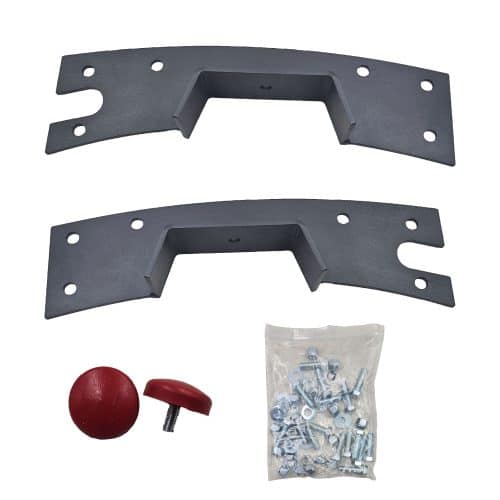
A C-notch kit is a suspension modification that creates additional clearance between the rear axle and the truck frame.
Whether you are planning to lower a Ford F100 or a Chevy C10, the axle moves closer to the frame. Without enough space, the axle can hit the frame whenever the suspension compresses. This contact can create a harsh ride and limit suspension performance.
With a C-notch kit, you can remove a section of the frame above the axle and replace it with a reinforced curved section. The new shape resembles the letter "C," which is where the name comes from.
By creating extra space, a C-notch frame allows the axle to travel upward without contacting the frame.
Why Is a C-Notch Needed?
The purpose of a C-notch is simple. It restores suspension travel that is lost when a truck is lowered.
Without a C-notch, your heavily lowered truck may experience:
- Frequent bottoming out
- Harsh impacts from bumps
- Reduced ride quality
- Suspension damage over time
- Limited axle movement
When you install a C-notch frame on a Silverado or Ford, it helps create the clearance needed for normal suspension operation while maintaining your desired ride height.
How Does a C-Notch Work?
The rear axle moves upward whenever you drive over uneven pavement, dips, or bumps.
On a stock truck, the frame sits high enough above the axle to allow this movement. Once the truck is lowered, the distance between the axle and frame decreases.
A notch raises the frame clearance in that area. Instead of the axle contacting a flat section of the frame, it now has room to move inside the notched section.
This added clearance is what makes a C-notch critical for lowered trucks and such an important part of many suspension builds.
When Does Your Truck Need a C-Notch Kit?
Not every lowered truck needs a C-notch kit. The real question is how much drop your suspension setup creates and whether your axle still has enough room to move freely. Once you start pushing past certain ride height thresholds, a frame C-notch kit stops being optional.
| Drop Type | C-Notch Needed? | Why |
| Mild Drop | Not always | Factory axle clearance may still be enough for normal suspension travel. |
| 4-Inch Rear Drop or More | Usually recommended | The axle sits closer to the frame, increasing the chance of bottoming out. |
| Air Suspension | Typically required | The truck can drop much lower, so extra frame clearance is usually needed. |
Mild Drops
If your truck has a modest drop, you may still have enough clearance between the axle and the frame to get by without a C-notch. Many owners running smaller lowering kits find that suspension travel stays within an acceptable range, and the factory frame geometry holds up just fine. That said, it's always worth checking your clearance before hitting the road to avoid any surprises down the line.
Moderate to Aggressive Drops
As your ride height drops, axle clearance gets tighter. We recommend adding a C-notch for lowered trucks once you go four inches or more in the rear, especially on classic pickups like Ford F100 and Chevy C-10.
Whether you're using a Chevy C10 C-notch kit or a C-notch kit for your Ford, this is the range where a notch becomes part of the plan, not an afterthought. Frequent bottoming out after lowering is a clear sign that your axle needs more room to travel, and a C-notch install is the right fix.
Air Suspension Systems
Air suspension takes things to another level, and so does the demand for proper clearance. These systems can drop your truck dramatically when parked, which means the axle is moving through a much larger range of motion than a static setup ever would.
Because of that wide range of suspension travel, a C-notch frame modification is typically required to keep the axle from making contact with the frame. If you're running bags, plan for a notch from the start. It's not a question of if, but when.
Signs Your Truck May Need a C-Notch
Several symptoms can tell you that your truck needs more frame clearance. Keep an eye out for these warning signs before the problem gets worse.
Harsh Impacts Over Bumps
If every bump feels sharp and jarring, your axle may already be hitting the frame. That kind of impact isn't just uncomfortable. It puts real stress on your suspension components over time.
Visible Contact Marks
Take a look at the frame area directly above the axle. If you spot scratches, dents, or polished metal, that's a clear sign your axle has been making contact, and a C-notch kit could be exactly what you need.
Limited Suspension Travel
When your suspension barely moves on the road, it's a strong signal that there isn't enough clearance. A proper C-notch frame modification gives your suspension the room it needs to do its job.
Frequent Bottoming Out
If your truck bottoms out on a regular basis, don't ignore it. Installing a C-notch kit is often the most straightforward fix to get your ride back on track.
Types of C-Notch Kits
Different notch designs are available depending on your truck and suspension goals. Choosing the right style makes a real difference in how your build comes together.
| C-Notch Type | Best For | Installation Style |
| Bolt-On C-Notch Kit | Mild to moderate lowered trucks | Mounted with hardware |
| Weld-In C-Notch Kit | Custom builds and stronger setups | Welded into the frame |
| Step Notch | Air suspension and extreme drops | Larger frame modification |
Bolt-On C-Notch Kits
Bolt-on C-notch kits are a great starting point if you want added rear axle clearance without heavy fabrication. These kits are designed to mount directly to your existing frame using hardware, keeping the installation straightforward. They're a popular choice for enthusiasts who want reliable results without spending hours in the shop.
Weld-In C-Notch Kits
Weld-in C-notch kits are permanently fused into the frame, creating a solid, long-lasting connection. This option is preferred by serious builders who prioritize strength and a clean, professional finish. If you're working on a custom truck build meant to last, a weld-in kit is hard to beat.
Step Notches
Step notches take things further by offering maximum rear axle clearance for trucks running on full air suspension systems. The stepped design allows for deeper drops without compromising frame integrity. These are the go-to choice for extreme custom builds where every inch of drop counts.
Popular Applications for C-Notch Kits
Several truck platforms commonly benefit from installing a C-notch.
Classic Chevy C10 Trucks
Installing a C10 C-notch kit on a 2003 or later Silverado model is one of the most popular suspension upgrades among classic truck enthusiasts. Many C10 owners install lowering kits to achieve a clean stance while maintaining drivability. A notch helps create the clearance needed for proper suspension movement.
Chevy C10 Custom Builds
A Chevy C10 C-notch kit is frequently paired with lowering components such as drop springs, flip kits, and lowering shackles. These modifications allow the truck to sit lower while still providing usable suspension travel.
1955-1959 Chevy Trucks
Owners restoring or customizing early Chevrolet pickups often use a 55-59 Chevy truck C-notch kit when pursuing a lowered stance. These classic trucks can benefit significantly from added axle clearance.
Build a Lowered Truck That Drives Better
Lowering a truck involves more than changing ride height. Every suspension component needs to work together. A C-notch kit plays an important role when axle clearance becomes limited. By creating additional room between the frame and axle, you can enjoy a lower stance without sacrificing suspension movement.
Whether you are installing a C10 C-notch kit or upgrading your classic Ford F100, the right notch can help your suspension perform the way it was intended. Working with experienced manufacturers like DJM Suspension can help you choose components that fit your truck and your goals.
Shop for the components you need now or contact us to get support for your project.
FAQs
Do all lowered trucks need a C-notch kit?
No, trucks with mild drops may still have enough axle clearance. A C-notch kit becomes more important as ride height decreases and suspension travel becomes limited.
How much drop typically requires a C-notch?
Many trucks lowered four inches or more in the rear benefit from a notch. The exact requirement depends on the truck model, suspension setup, and available clearance.
Is a C-notch safe for daily driving?
Yes, a properly installed frame C-notch kit is designed to maintain structural integrity while creating additional suspension clearance for everyday use.
How long does a C-notch install take?
A typical C-notch install can often be completed within a day, although the timeframe depends on the truck, kit design, and whether welding is required.
Can I combine a C-notch with a flip kit?
Many truck owners pair a notch with rear flip kits and other lowering components. This combination is common when building a C-notch for lowered trucks with a more aggressive stance.
Products Featured in This Blog